Between hiking, which has attracted more and more participants since 2021, trail running, whose organized races surged in 2025, and interactive cultural leisure activities that are reinventing themselves, the landscape of leisure activities in France has been profoundly reshaped in recent years. What types of leisure truly capture attention, and what gaps are emerging between indoor activities and outdoor practices?
Outdoor Leisure vs. Indoor Leisure: Where Recent Dynamics Are Concentrated
The clearest trend since 2021 concerns outdoor activities. According to a study cited by GQ Magazine France in August 2026, hiking is described as the favorite activity of the French, with a notable increase among 18-49 year-olds. Hiking apps like AllTrails have supported this rise.
Trail running illustrates an even clearer shift towards autonomous sports leisure. According to Sport et Tourisme (August 2026), referencing Strava data and the Finishers/FFA/Union Sport & Cycle barometer, the number of organized trail races increased significantly in 2025.
Outdoor leisure enthusiasts can explore numerous trails on the Série Z website, which lists various activities ranging from sports to culture.
On the other hand, indoor leisure has not disappeared. Listening to music remains the most widespread leisure activity according to Statista data, with a very large majority of the population listening regularly. Escape games and creative workshops maintain a loyal audience, but their growth dynamics seem less spectacular than those of nature activities.
| Type of Leisure | Recent Dynamics | Main Audience | Accessibility |
|---|---|---|---|
| Hiking / Trail | Strong increase since 2021 | 18-49 years, families | Free to low cost |
| Music Listening (streaming, concerts) | Stable, very widespread | All age groups | Free to monthly subscription |
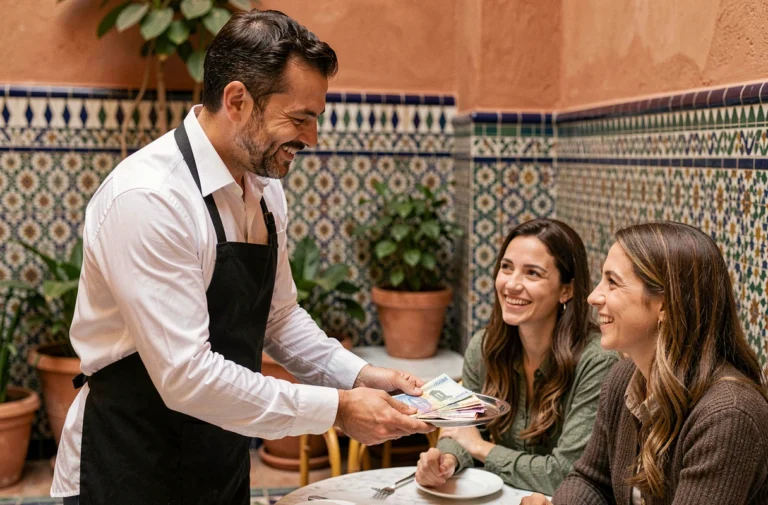
| Escape Game | Moderate growth | Friends, groups | Paid (per session) |
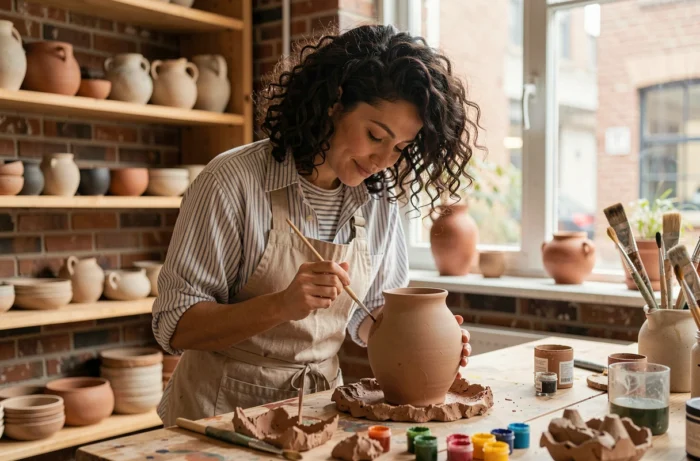
| Creative Workshops / DIY | Post-pandemic renewal | Adults, children | Variable (materials) |
| Cultural Visits (museums, exhibitions) | Revitalized by the Pass Culture | Young people, families | Free to paid |
Nature Activities and Autonomous Sports: Why This Growth Gap?
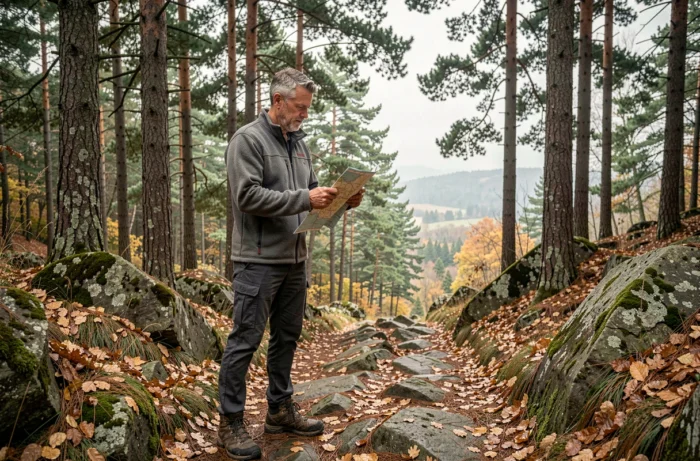
Several factors explain why hiking and trail running are widening the gap compared to indoor leisure. The first relates to cost. Hiking only requires a decent pair of shoes and access to a marked trail. Natural parks and long-distance hiking paths cover the entire territory, eliminating geographical barriers.
The second factor is the community aspect. Sports tracking platforms like Strava have transformed hiking and trail running into documented and shared social activities. Each outing generates data, rankings, and routes that others can replicate. This mechanism fuels a virtuous cycle of practice.
The third factor concerns mental health. After several years marked by lockdowns, the need for the outdoors has become deeply rooted. Outdoor activities combine physical exercise, contact with nature, and digital disconnection, three criteria that indoor leisure does not simultaneously meet.
The Case of Artificial Canyoning and Extreme Leisure
At the other end of the spectrum, more spectacular leisure activities are emerging. Artificial canyoning or suspended dinners in the air, scrutinized in the show Capital, represent a niche segment. These activities attract an audience seeking unusual experiences, but their high cost and geographical rarity limit their spread.
Cultural Leisure and Pass Culture: An Underutilized Lever for Families
The Pass Culture underwent significant adjustments in 2026. The program has expanded to new sectors such as design, crafts, and scientific culture. This refocusing changes the range of activities accessible to young people and families.
- Art craft workshops (ceramics, bookbinding, cabinetmaking) become eligible, creating a bridge between creative leisure and professional discovery
- Scientific culture is integrated into the program, opening access to laboratory visits or interactive exhibitions that were not previously covered
- The refocusing of expenditures aims to limit the use of the Pass for purchasing cultural products in favor of experiences (courses, workshops, live performances)
Interactive cultural leisure is gaining ground over passive consumption. The difference between watching a movie at home and participating in an immersive digital art workshop lies in the active engagement of the participant, a criterion that the new framework of the Pass Culture explicitly promotes.
Activities with Friends or Family: Choosing Based on Format Rather Than Category
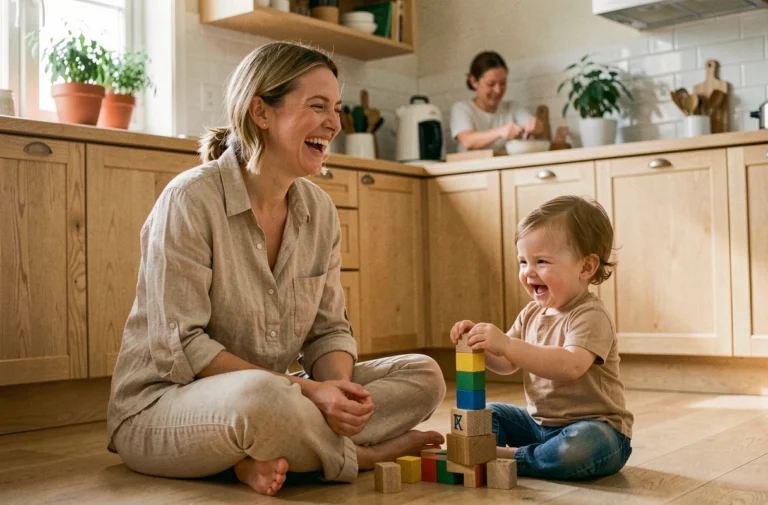
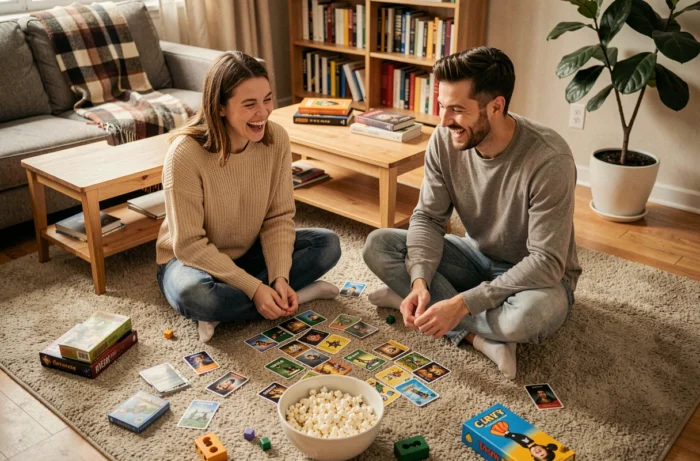
Classic leisure lists categorize by theme (sport, culture, creativity). This approach masks a more determining criterion: the format of the activity. An escape game with friends and a family hike are organized differently, even if both occupy an afternoon.
- Reservation-based activities (escape game, cooking workshop, guided tour) are suitable for groups that plan, but require collective agreement on the time slot and budget
- Spontaneous activities (park walk, board games at home, picnic) adapt to fluctuating schedules and do not generate logistical friction
- Regular commitment activities (dance classes, book clubs, trail training) create a lasting social anchor but require recurring availability
The right leisure is not the one that ranks high, but the one whose format matches your real constraints of time, budget, and group. A one-time two-hour workshop is worth more than an unused annual subscription.
The free time of the French is now divided between two poles: rapidly growing nature activities, driven by low cost and a digital community aspect, and cultural leisure undergoing transformation due to the expanded Pass Culture. The dynamic gap between these two poles and traditional indoor leisure reflects a post-pandemic shift in priorities that shows no signs of reversing.