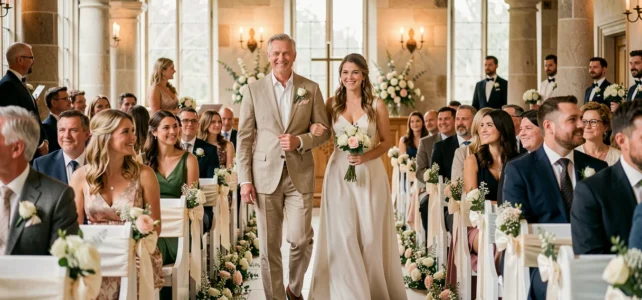
Choosing a song for the parents’ entrance at a wedding is selecting the soundtrack for a brief but emotionally charged moment. Unlike the father-daughter or mother-son dance that takes place later in the evening, the parents’ entrance occurs during the ceremony, often lasting just a few seconds. The piece should support without overwhelming, accompany without distracting. Here are ten titles suitable for this specific moment, each with the context that makes it relevant.
1. Canon in D by Pachelbel
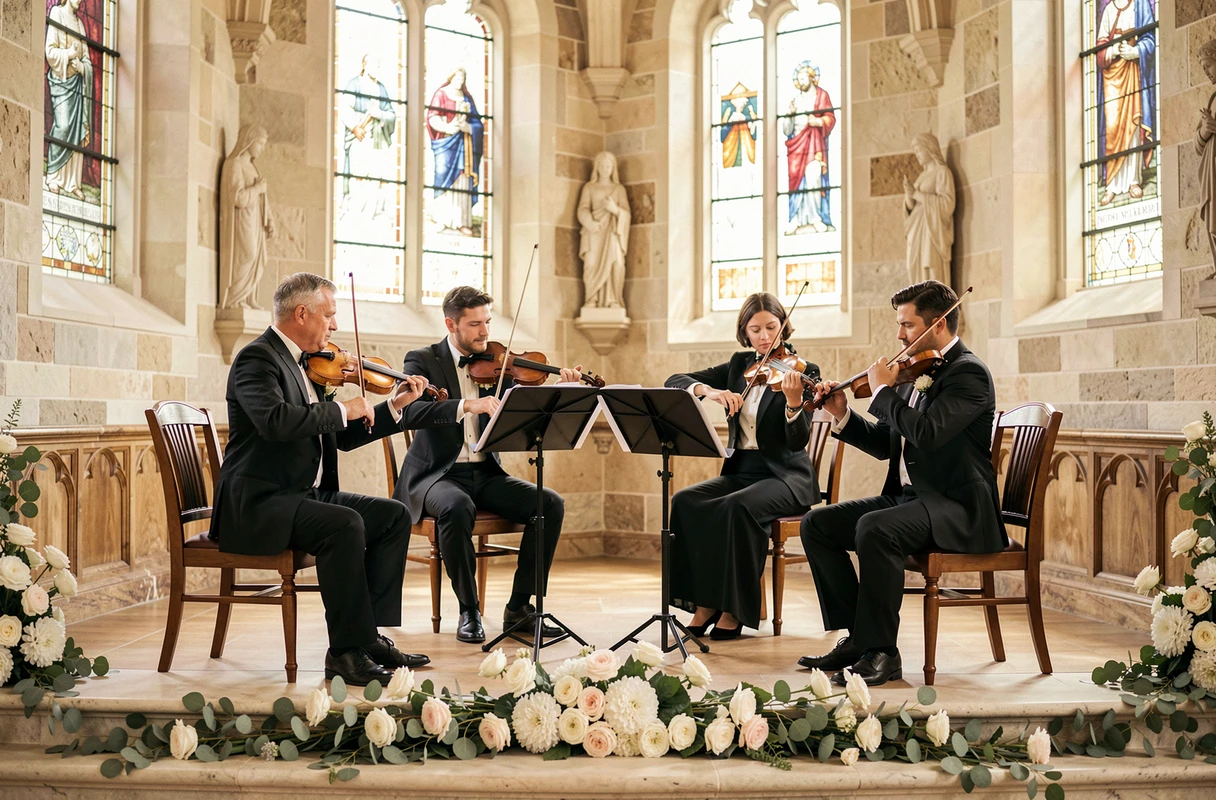
This baroque piece remains the most common choice for a ceremonial processional. Its slow and steady harmonic progression perfectly matches the rhythm of walking down the aisle.
An instrumental tempo that adapts to all lengths of the aisle: whether the aisle is short or long, the Canon never creates awkward silence. It is available in string quartet, solo piano, or even harp versions, allowing it to be tailored to the style of the ceremony. To delve deeper into the musical choices for each moment of the ceremony, the advice from La mariée de Sophie for the ceremony details the distinctions between the parents’ entrance, the procession, and the exit.
2. La Vie en Rose by Édith Piaf (instrumental version)
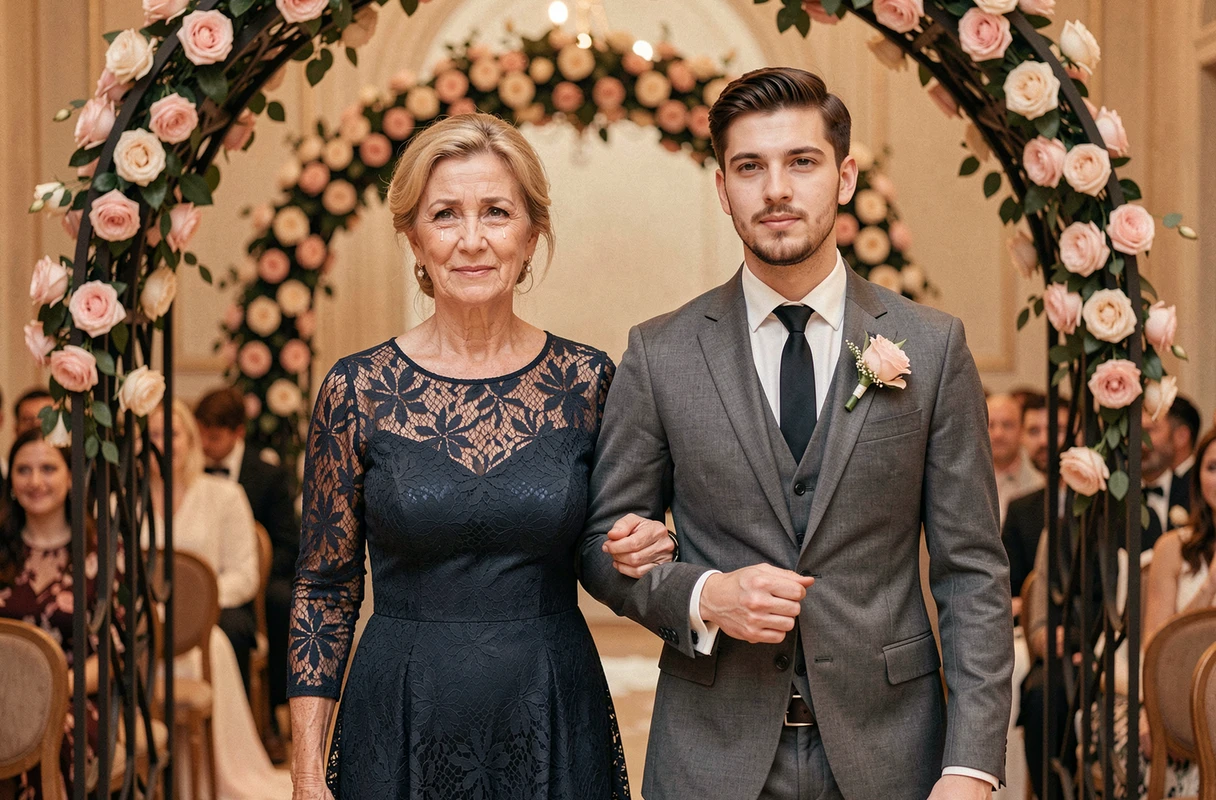
The sung version is often reserved for other moments of the day. In contrast, an instrumental version (piano, saxophone, or accordion) transforms this French classic into elegant background music for the parents’ entrance.
The advantage: everyone recognizes the melody, creating an immediate connection with the guests. The love lyrics, even when absent, linger in the collective mind. This title works particularly well for a secular outdoor ceremony.
3. River Flows in You by Yiruma
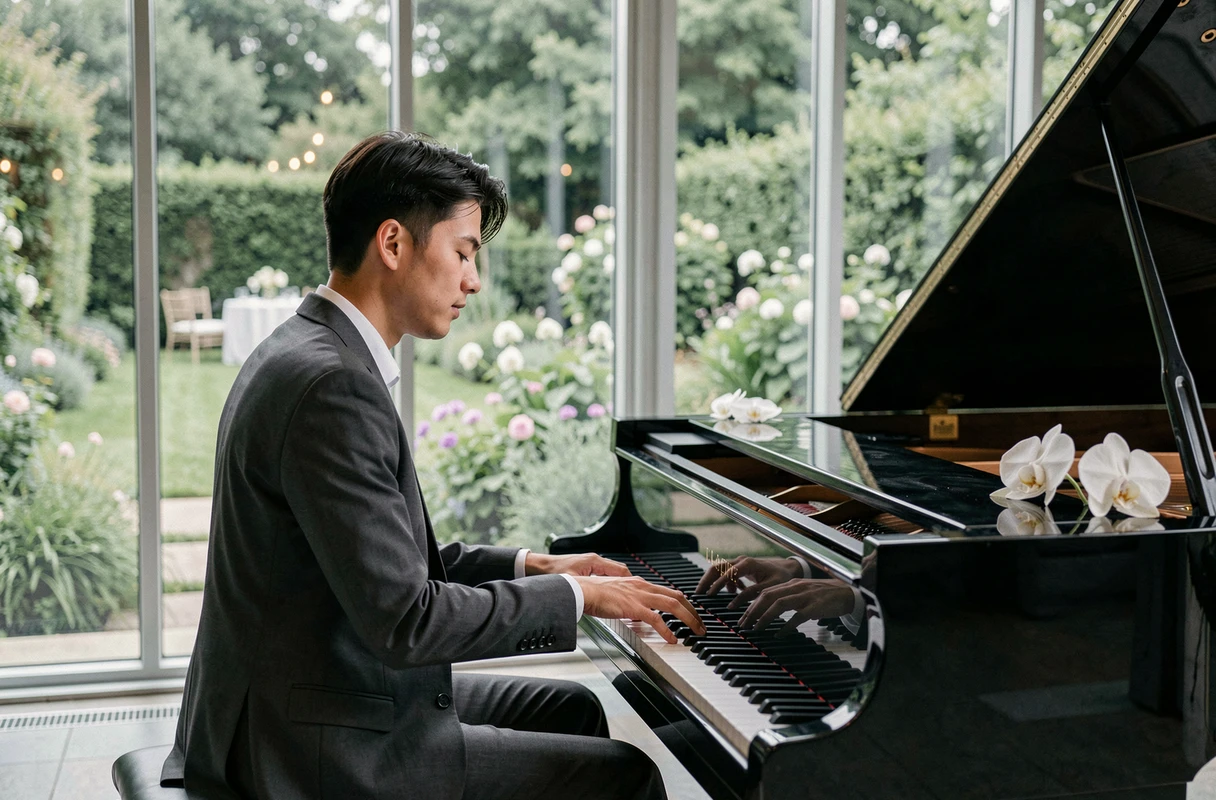
This piano piece, often associated with movie scenes, has earned a lasting place in wedding ceremonies. Its delicate melody gradually builds in intensity without ever becoming overwhelming.
Why choose this for the parents? River Flows in You allows for visual emotion to take center stage. No lyrics to direct attention, just an accompaniment that highlights the walk. It is suitable for both religious and secular ceremonies.
4. Clair de Lune by Debussy
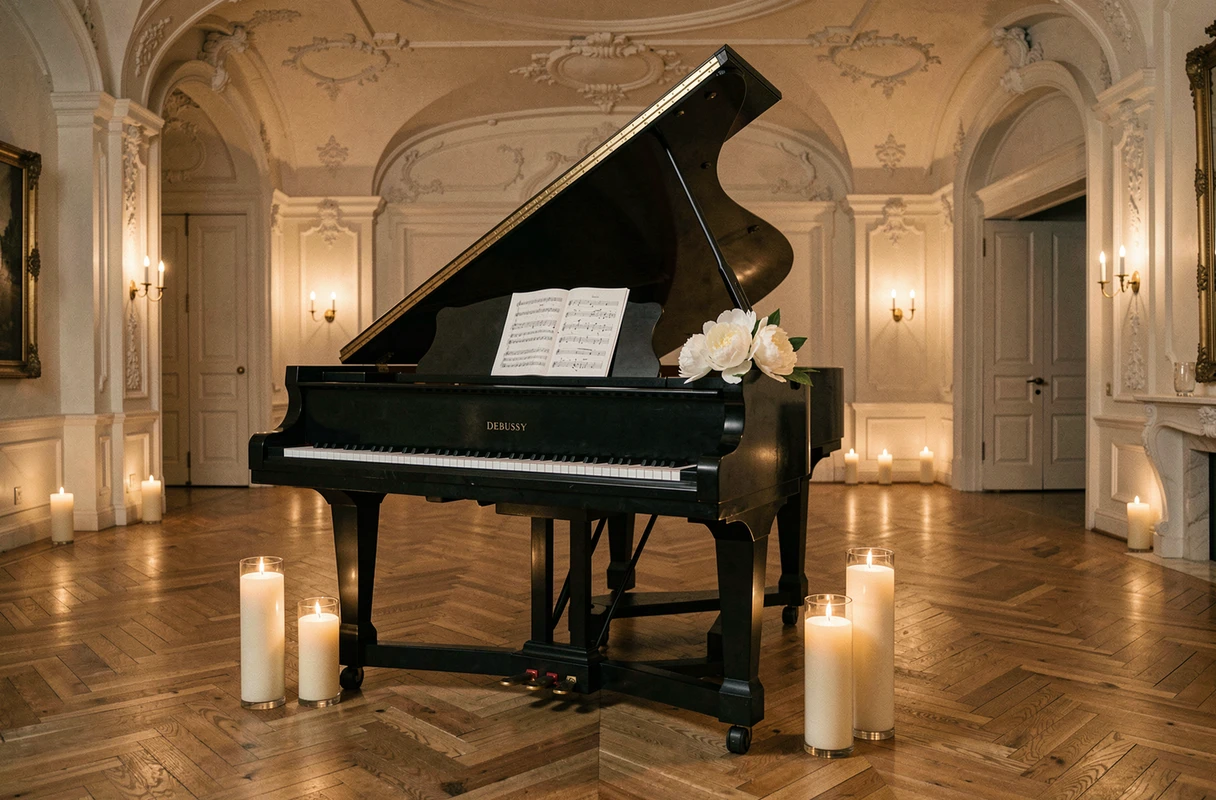
Less expected than Pachelbel’s Canon, Clair de Lune adds a touch of sophistication. The piece is slower, more contemplative, and requires a certain silence from the assembly to be fully appreciated.
This choice works better in an enclosed venue (chapel, vaulted hall, castle) where the acoustics carry the notes. If the ceremony takes place outdoors with wind or ambient noise, the subtleties of the piece may be lost.
5. A Thousand Years by Christina Perri
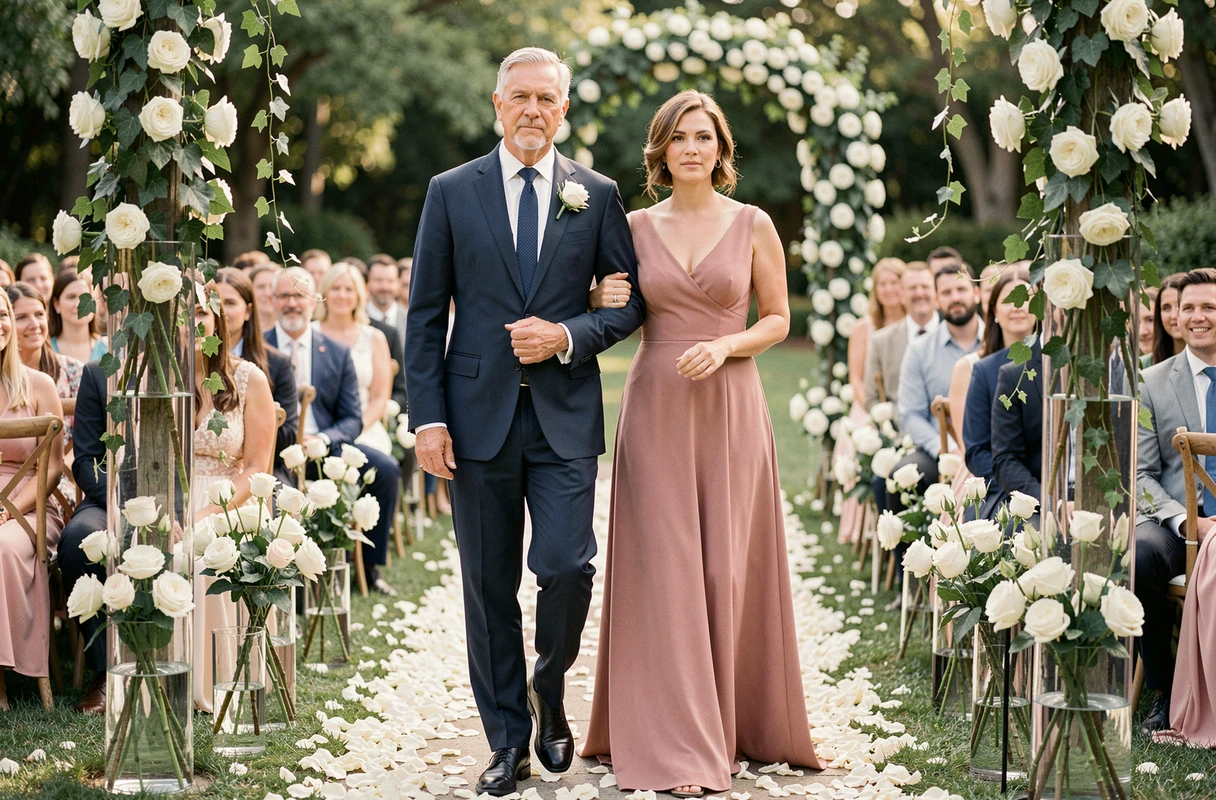
This title has become a classic in English-speaking weddings. Its first minute, soft and restrained, perfectly matches the duration of a parents’ entrance. The crescendo follows, which can coincide with the bride’s arrival if you line up the entrances.
Be careful: the sung version strongly directs the emotion towards the loving couple. For the parents’ entrance, an instrumental or cello version refocuses the piece on the familial bond.
6. Je vole by Michel Sardou (cover by Louane)
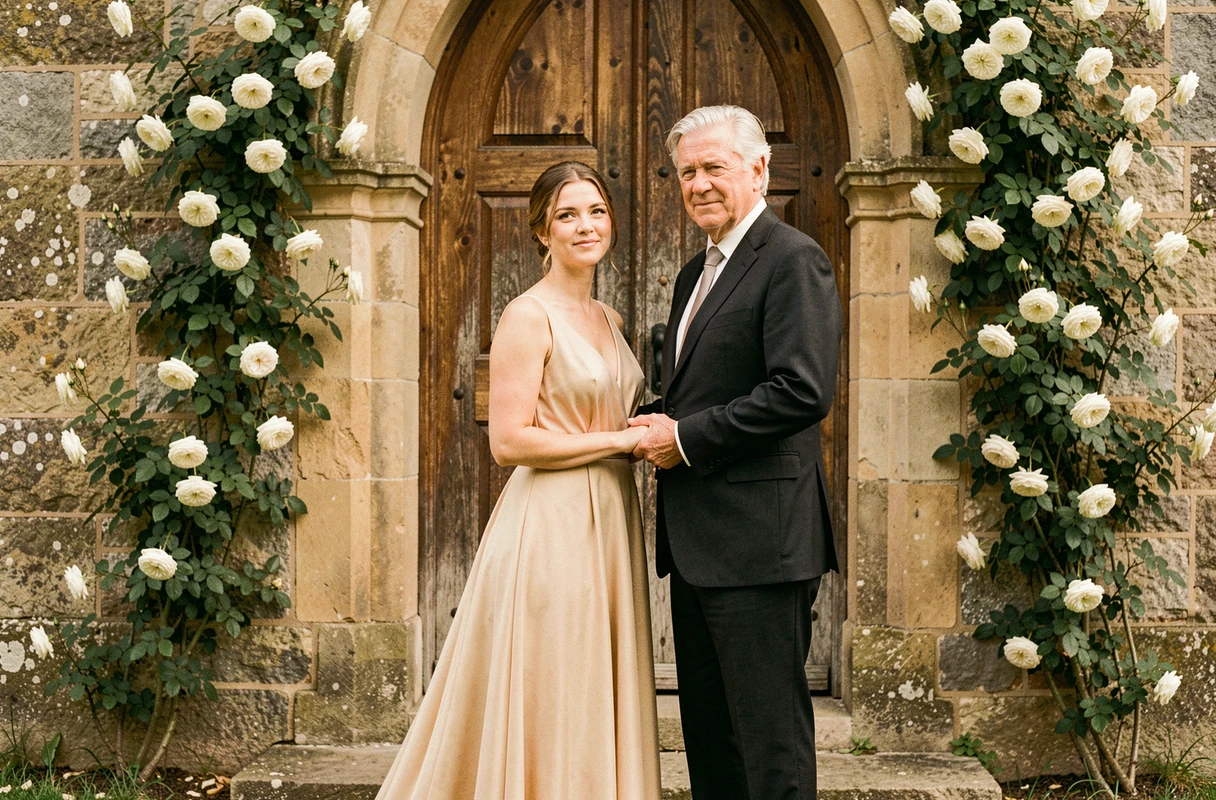
Louane’s cover in the film La Famille Bélier has given this title a second life. The lyrics speak of a child leaving the family home, which perfectly aligns with the symbolism of marriage.
This piece works especially well when it is the mother or father of the bride entering. The French lyrics allow French-speaking guests to immediately grasp the emotional weight. Have tissues ready.
7. Hallelujah by Jeff Buckley
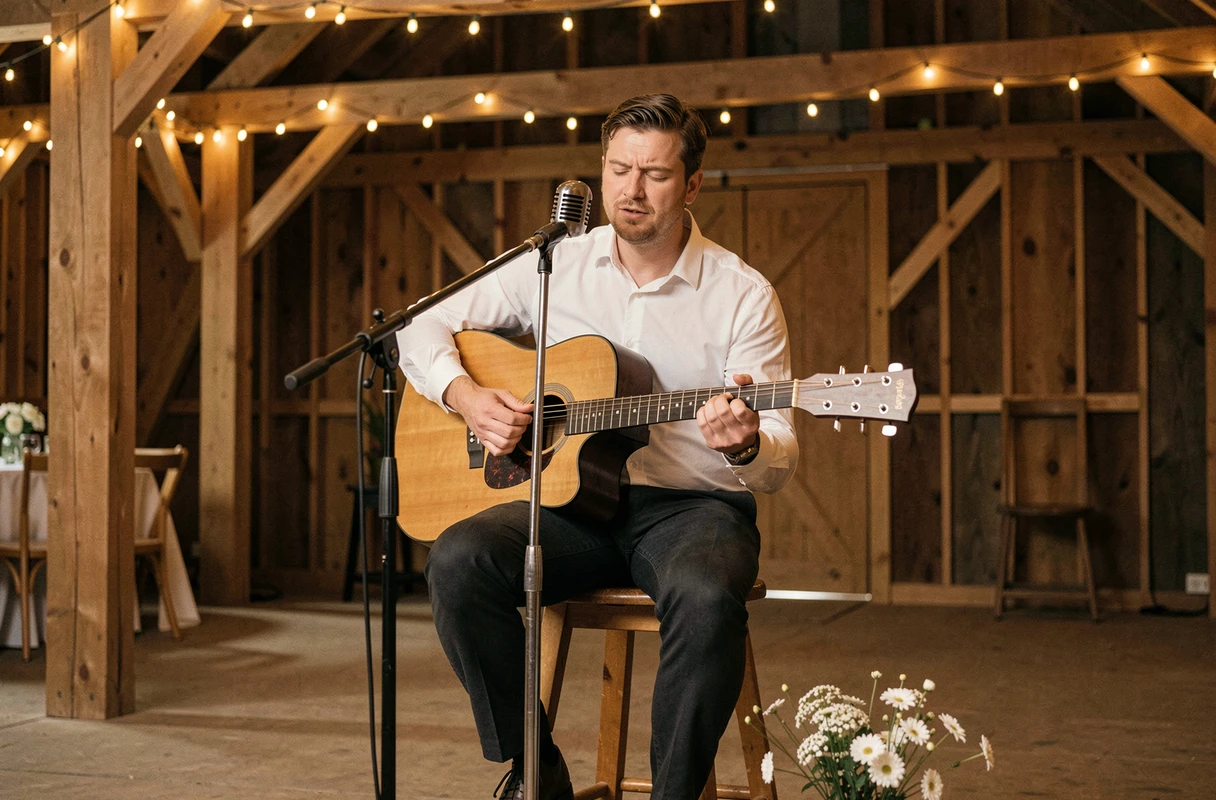
Hallelujah appears in most rankings of moving songs, and for good reason. Its arpeggio structure and gradual vocal rise create a rare intensity.
The risk: this title is so associated with sad moments (films, funerals) that it may confuse some guests. Reserve Hallelujah for a secular ceremony where the tone is intentionally solemn. In a Catholic religious ceremony, the title may create a dissonance with the liturgy.
8. Millésime by Pascal Obispo
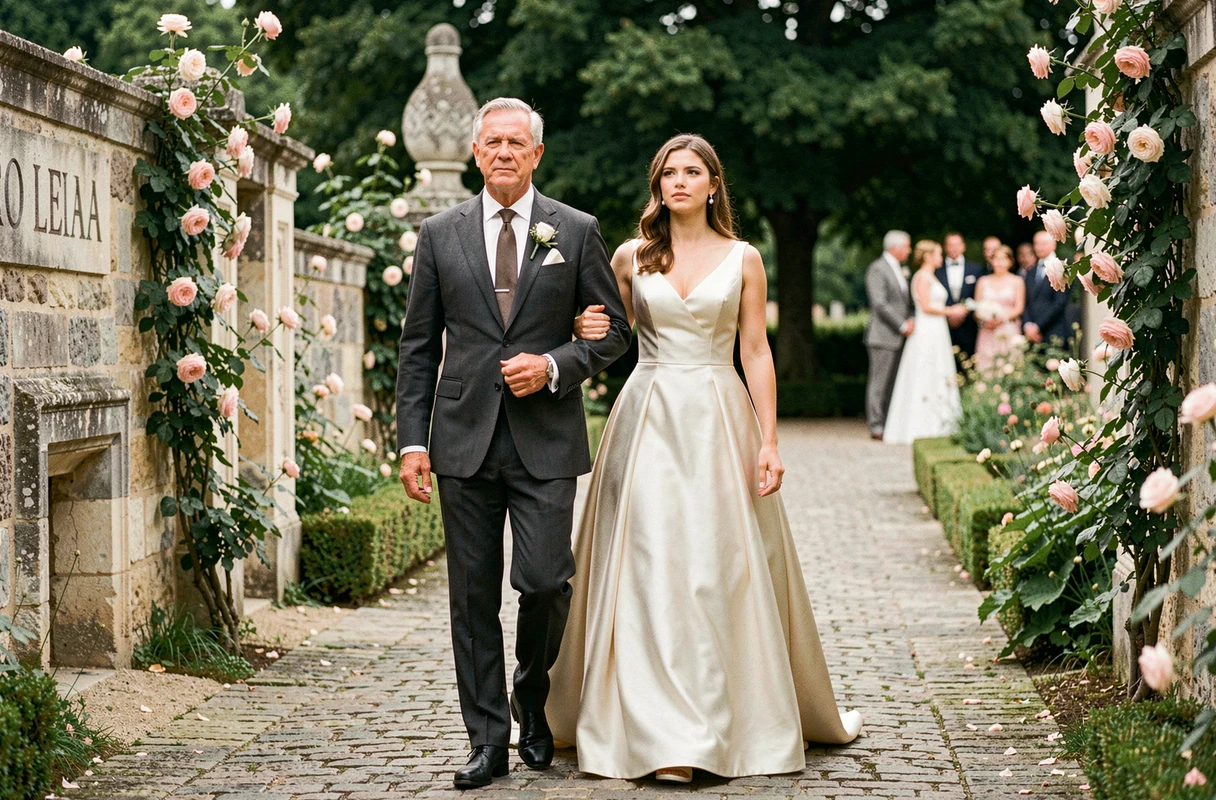
This French title speaks of the passage of time and the love that remains. Less known than major English classics, it offers an alternative for couples looking for a French song with lyrics directly related to the parent-child bond.
Its duration allows for only the first verse and the chorus to be played, about a minute and a half. This is sufficient for an entrance without dead time.
9. You Raise Me Up by Josh Groban
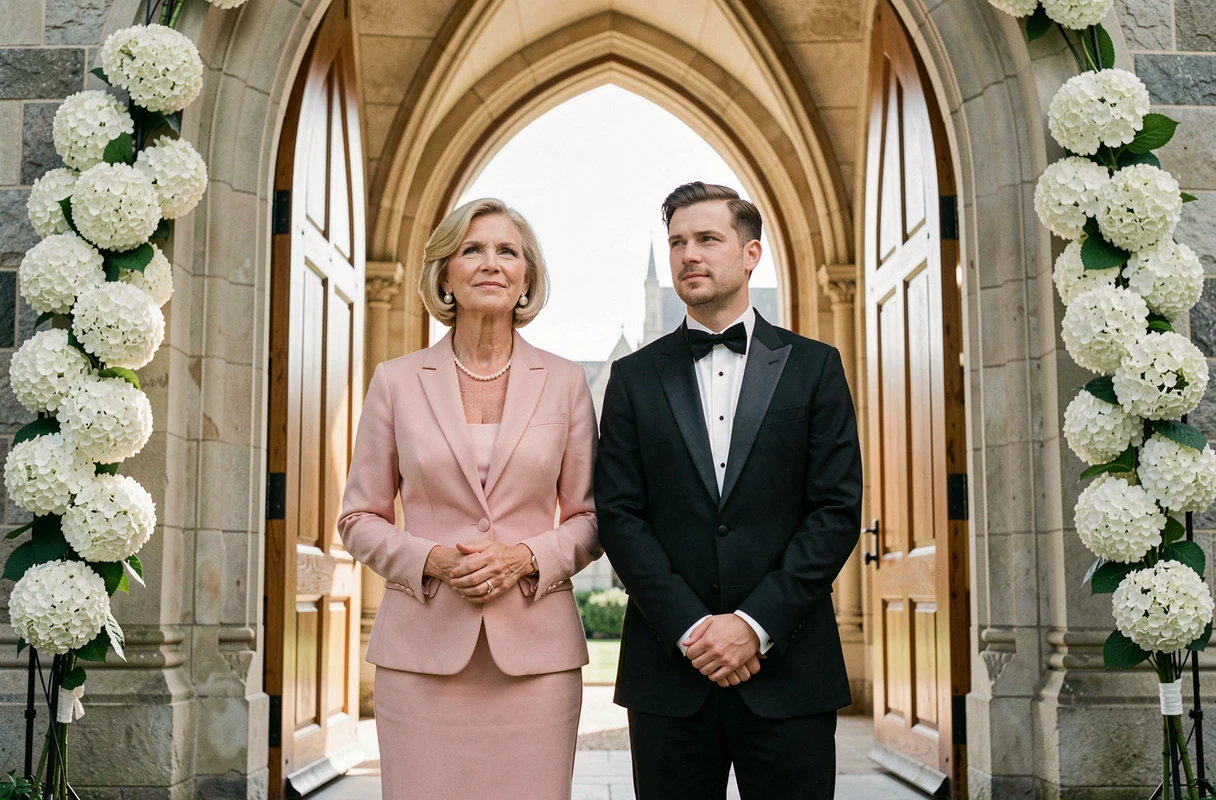
The message of this piece (“you raise me up, you make me stronger”) naturally addresses parents from a child. The orchestral rise of the chorus creates a well-placed emotional peak if the entrance coincides with this passage.
This title is suitable for ceremonies with a spiritual or confessional dimension, thanks to its gospel-like tone. It is also available in a French version, which can be useful if you want the assembly to understand the lyrics.
10. What a Wonderful World by Louis Armstrong
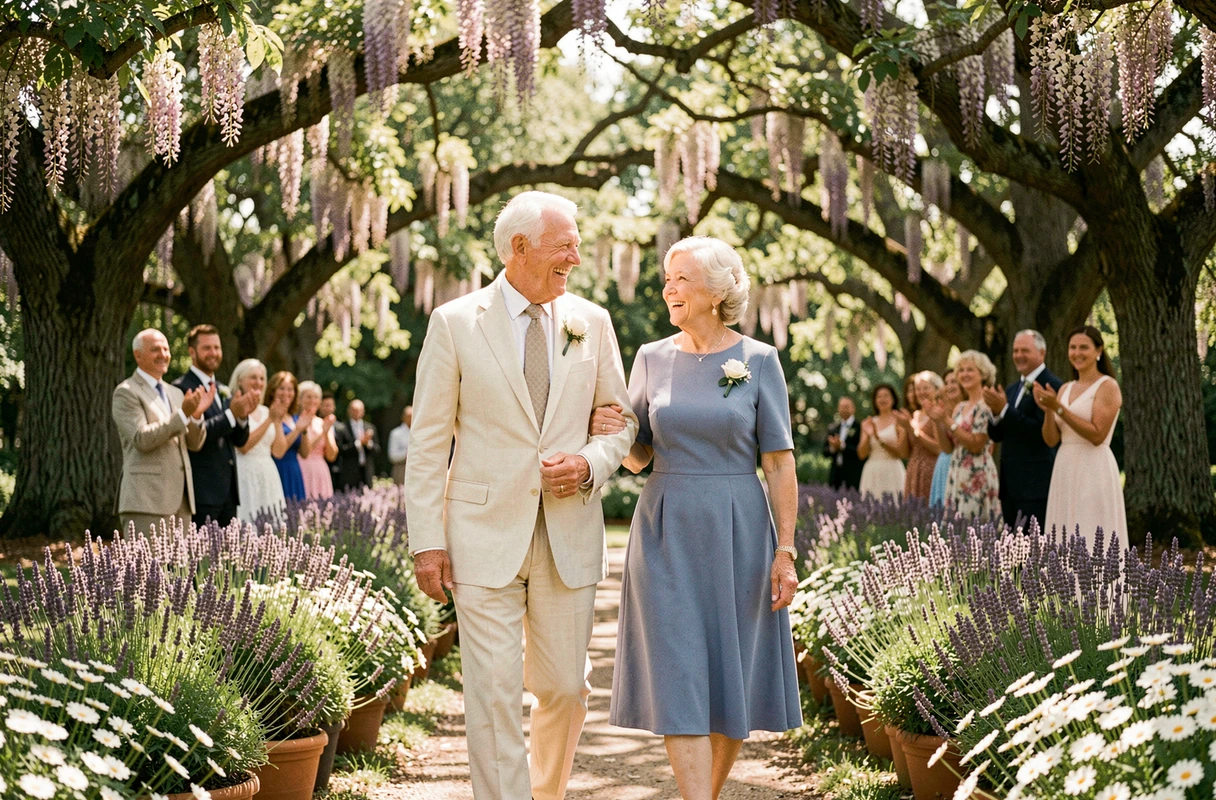
Less obvious for a parents’ entrance, this title brings a welcome lightness after very solemn pieces. Louis Armstrong’s warm voice and the optimistic message of the lyrics change the emotional register.
It is a relevant choice when parents want a smiling moment rather than a tearful one. What a Wonderful World works particularly well to close the series of entrances, just before the tone rises with the arrival of the bride.
The common thread of these ten titles can be summed up in three criteria to keep in mind:
- Prefer instrumental versions when the lyrics do not explicitly speak of the familial bond, to avoid a mismatch between the text and the moment experienced.
- Test the actual duration of the piece against the length of the aisle: a song that is too long creates a floating feeling, while a song that is too short cuts off the emotion.
- Adapt the musical style to the ceremony location: a solo piano piece carries better in a chapel than outdoors, where a string quartet or saxophone will be more audible.
The last point not to be overlooked: ask the parents themselves if they have a piece that is meaningful to them. Sometimes the best song for the parents’ entrance is not in a wedding playlist, but in a family memory that no one else knows.